
Finding the best smartphones over $800 in 2026 can feel overwhelming with so many flagship options on the market — but if you’ve decided you’re done compromising on laggy performance, mediocre low-light photos, and batteries that die by 6 p.m., you’re in the right place. This guide breaks down the five best premium smartphones currently available on Amazon for $800 and up, based on real specs, camera performance, battery life, and long-term value. No fluff, no guesswork — just the phones actually worth your money in 2026.
Every flagship on this list pushes the boundaries of what a phone can do: multi-lens pro camera systems, AI assistants that actually save you time, batteries that comfortably last a full day (or more), and displays so bright you can use them in direct sunlight. Whether you’re a creator who needs pro-grade video, a productivity user who wants a phone that doubles as a tablet, or just someone who wants the best camera money can buy, there’s a pick here for you.
Let’s get into it.
How We Picked These Phones
Rather than just repeating spec sheets, this list is built around what actually affects your day-to-day experience: how fast the chipset performs under sustained load, how the camera handles tricky lighting, how long the battery realistically lasts with heavy use, and how long the manufacturer commits to software updates. We also factored in build quality, display brightness, charging speed, and where each phone offers something genuinely unique — not just an incremental spec bump over last year’s model. Pricing referenced throughout reflects Amazon listings at the time of writing and may shift, so always check the current price before purchasing.
Quick Comparison: Best Phones Over $800 (2026)
| Phone | Best For | Standout Feature | Starting Price |
|---|---|---|---|
| Apple iPhone 17 Pro Max | Overall performance & ecosystem | A19 Pro chip, 8x optical-quality zoom | ~$1,199+ |
| Samsung Galaxy S26 Ultra | Android power users & S Pen fans | Privacy Display + Galaxy AI | ~$1,299+ |
| Google Pixel 10 Pro XL | Best camera software & AI | Gemini AI + 100x Pro Res Zoom | ~$999+ |
| Samsung Galaxy Z Fold7 | Productivity & multitasking | Folds into an 8″ tablet display | ~$1,899+ |
| OnePlus 13 | Best value flagship | Snapdragon 8 Elite + 80W charging | ~$899+ |
(Prices fluctuate on Amazon — click through for current pricing before you buy.)
Why Spend $800+ on a Smartphone in 2026?
It’s a fair question. Mid-range phones have gotten genuinely good, so why pay flagship prices? A few reasons stand out:
- Camera systems that outperform dedicated cameras in most everyday shooting situations — multiple lenses, computational photography, and AI-assisted editing that mid-range chips simply can’t run.
- Chipsets built for longevity. Flagship processors don’t just run faster today — they stay smooth for years, which means you’re not forced into an upgrade cycle every 18 months.
- Software support that actually lasts. Premium phones from Apple, Samsung, and Google now come with years of guaranteed OS and security updates, which meaningfully extends the useful life of the device.
- Build quality that survives daily life. Titanium frames, reinforced glass, and IP68 water resistance mean fewer accidental replacements.
- Resale value. Flagship phones hold their value far better than budget or mid-range devices, which softens the blow of the higher upfront cost.
With that out of the way, here’s the breakdown of the five best options currently on Internet.
1. Apple iPhone 17 Pro Max — Best Overall
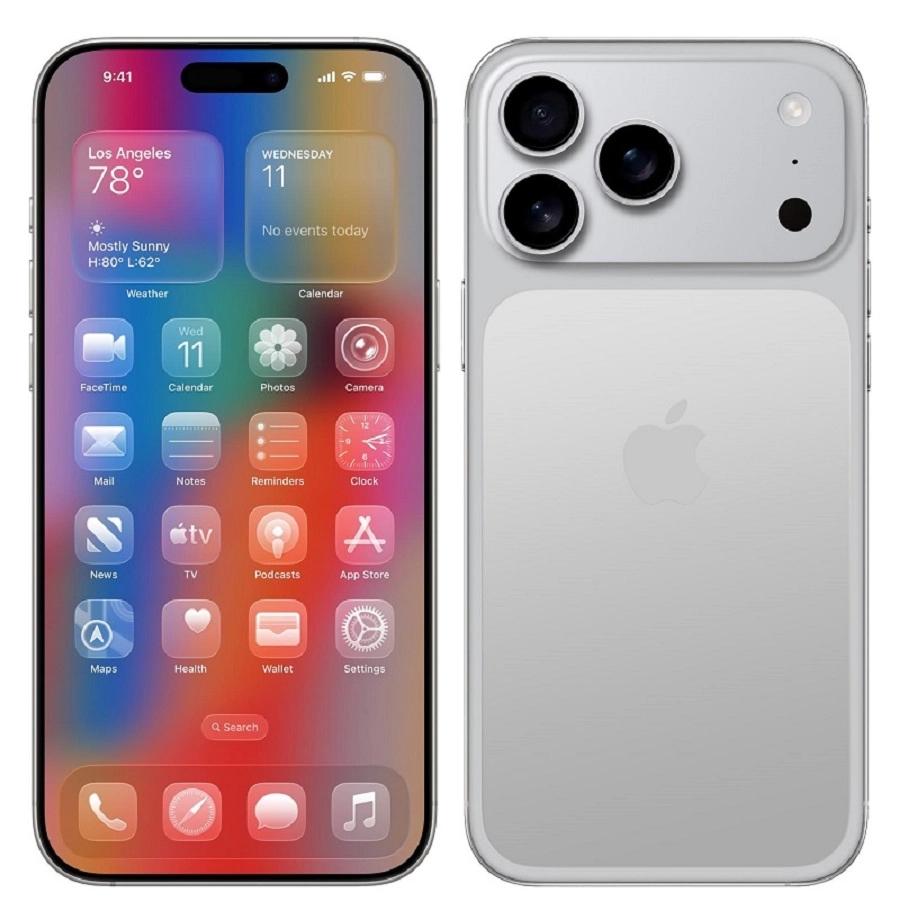
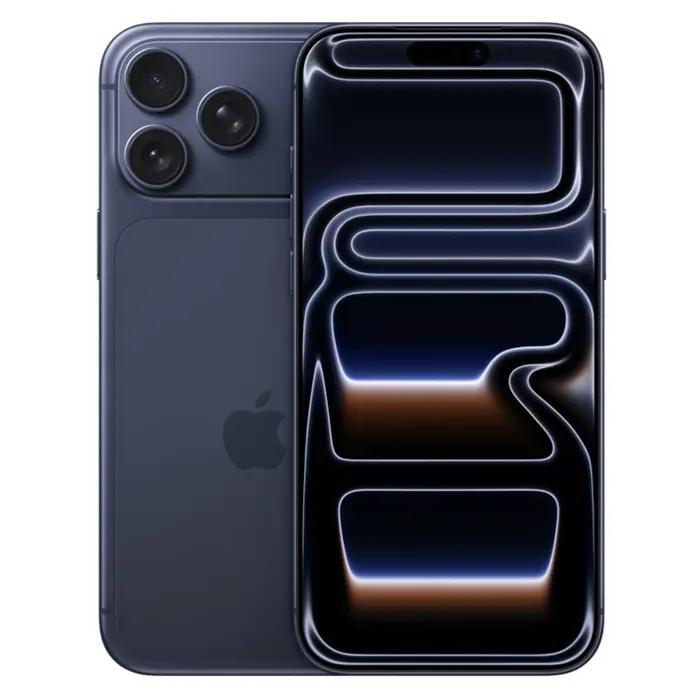
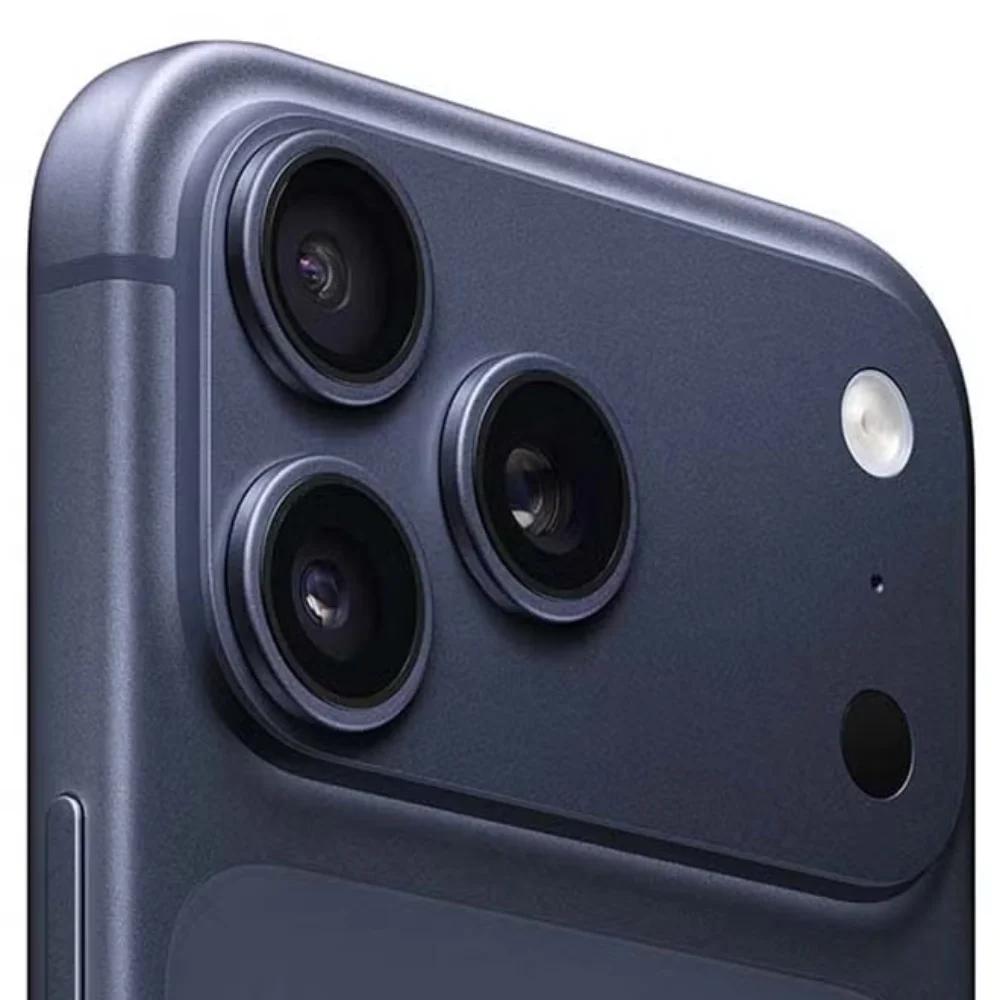
If you want the single most polished, dependable flagship phone money can buy in 2026, the iPhone 17 Pro Max is it. Apple’s latest Pro Max model leans hard into durability and camera performance, and it delivers on both fronts.
Design & Display The 17 Pro Max features a 6.9-inch display protected by Apple’s second-generation Ceramic Shield, which the company says offers up to 3x better scratch resistance on the front and 4x better crack resistance on the back compared to the standard aluminosilicate glass used elsewhere. The unibody aluminum design isn’t just about looks — it also frees up interior space for a noticeably larger battery.
Performance Under the hood is Apple’s A19 Pro chip, a vapor-cooled processor that Apple claims delivers up to 40% better sustained performance than its predecessor. In practical terms, that means no thermal throttling during long gaming sessions, 4K video exports, or heavy multitasking — the phone stays fast even when it’s working hard.
Camera This is where the 17 Pro Max really separates itself. All three rear lenses now shoot at 48MP, and the telephoto lens offers 8x optical-quality zoom — the widest zoom range Apple has ever put in an iPhone. Add an 18MP Center Stage front camera that supports dual capture (recording front and rear simultaneously) and smarter framing for group selfies, and you’ve got a camera system that covers virtually every shooting scenario without needing a separate lens kit.
Battery Apple says the 17 Pro Max delivers its best-ever iPhone battery life, rated for up to 39 hours of video playback, with 50% charge achievable in just 20 minutes on a compatible fast charger.
Who it’s for: Anyone deep in the Apple ecosystem, content creators who want the best video and photo capture in a phone, and buyers who prioritize long-term software support and resale value.
Pros: Best-in-class build durability, excellent camera versatility, strong sustained performance, industry-leading software support Cons: Premium pricing, no expandable storage, charging brick sold separately
2. Samsung Galaxy S26 Ultra — Best Android Flagship
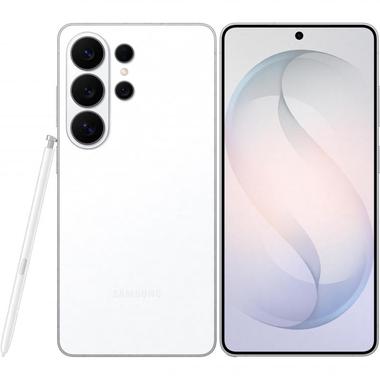
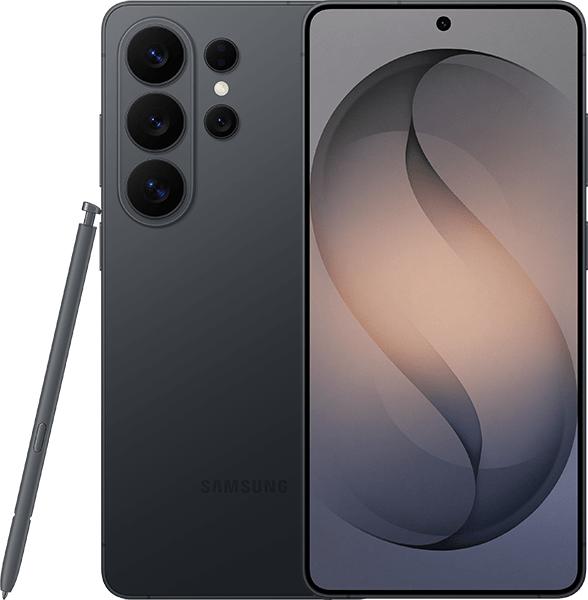
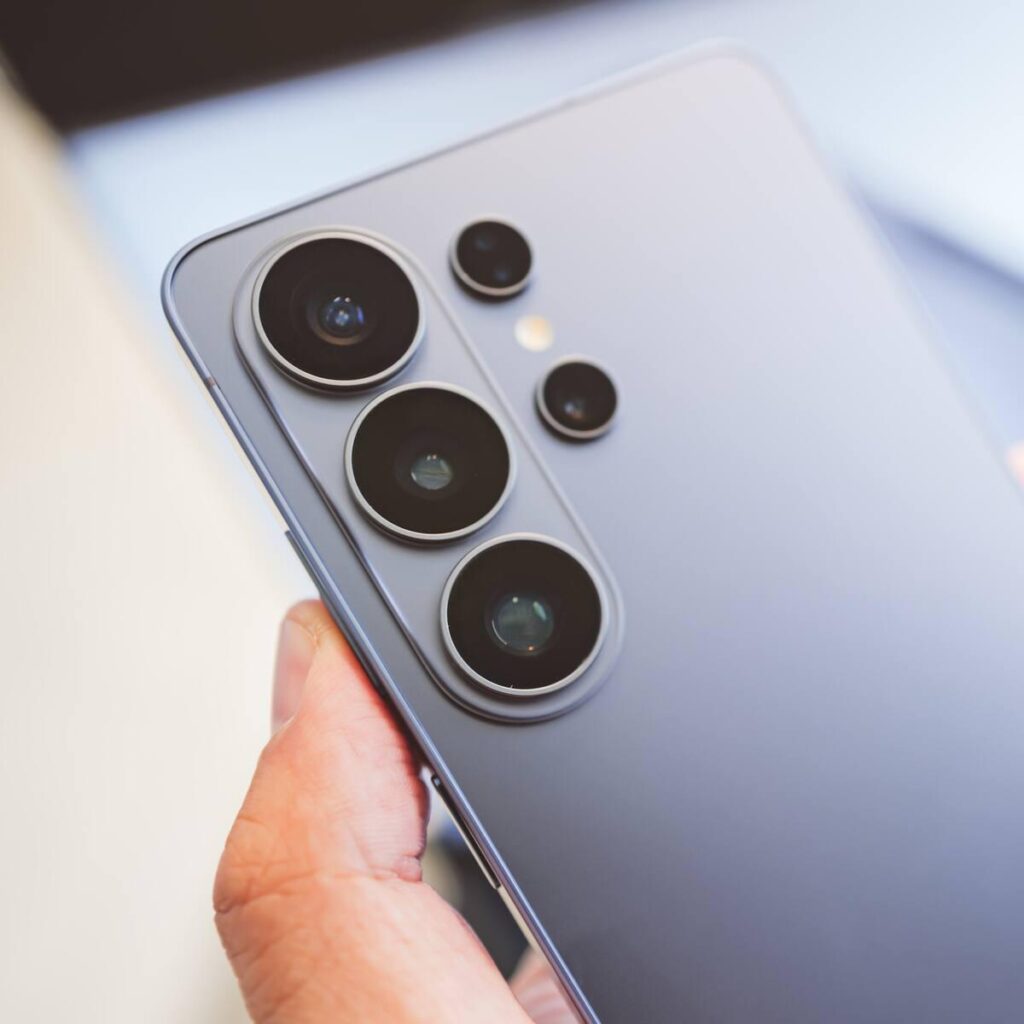
For Android loyalists who want the most complete, feature-packed phone on the market, the Galaxy S26 Ultra is the clear pick. Samsung has refined its Ultra line into a genuine all-rounder — power, camera, productivity tools, and a few features you won’t find anywhere else.
Design & Display The S26 Ultra features Samsung’s high-resolution Dynamic AMOLED display with an ultra-smooth adaptive refresh rate, built for everything from binge-watching to competitive mobile gaming. One standout addition is the built-in Privacy Display, which can be set to automatically activate when you’re entering passwords, reading notifications, or using specific apps — a genuinely useful feature if you spend a lot of time on your phone in public.
Performance & AI Samsung’s latest flagship processor powers the S26 Ultra, and it’s paired with a suite of Galaxy AI features designed to save you time rather than just show off. “Now Nudge” proactively surfaces the apps, reminders, and notifications most relevant to your day, while Photo Assist can edit and clean up images in seconds.
Camera The S26 Ultra’s multi-lens system is built for versatility — sharp detail at standard range, powerful zoom for distant subjects, and strong low-light performance. It also includes a wider front camera specifically designed to fit more people into group selfies without anyone getting cropped out.
Productivity This is one of the few flagship phones that still supports the S Pen, making it a strong choice for note-takers, sketch artists, and anyone who wants a stylus without carrying a separate tablet. Samsung Wallet is also built in, letting you ditch your physical cards and boarding passes entirely.
Who it’s for: Android power users, S Pen fans, and anyone who wants the most feature-dense flagship on the market.
Pros: Privacy Display is genuinely unique, excellent AI feature set, S Pen support, class-leading display Cons: Can feel feature-overloaded for casual users, premium price tier, large size may not suit smaller hands
3. Google Pixel 10 Pro XL — Best Camera & AI Experience
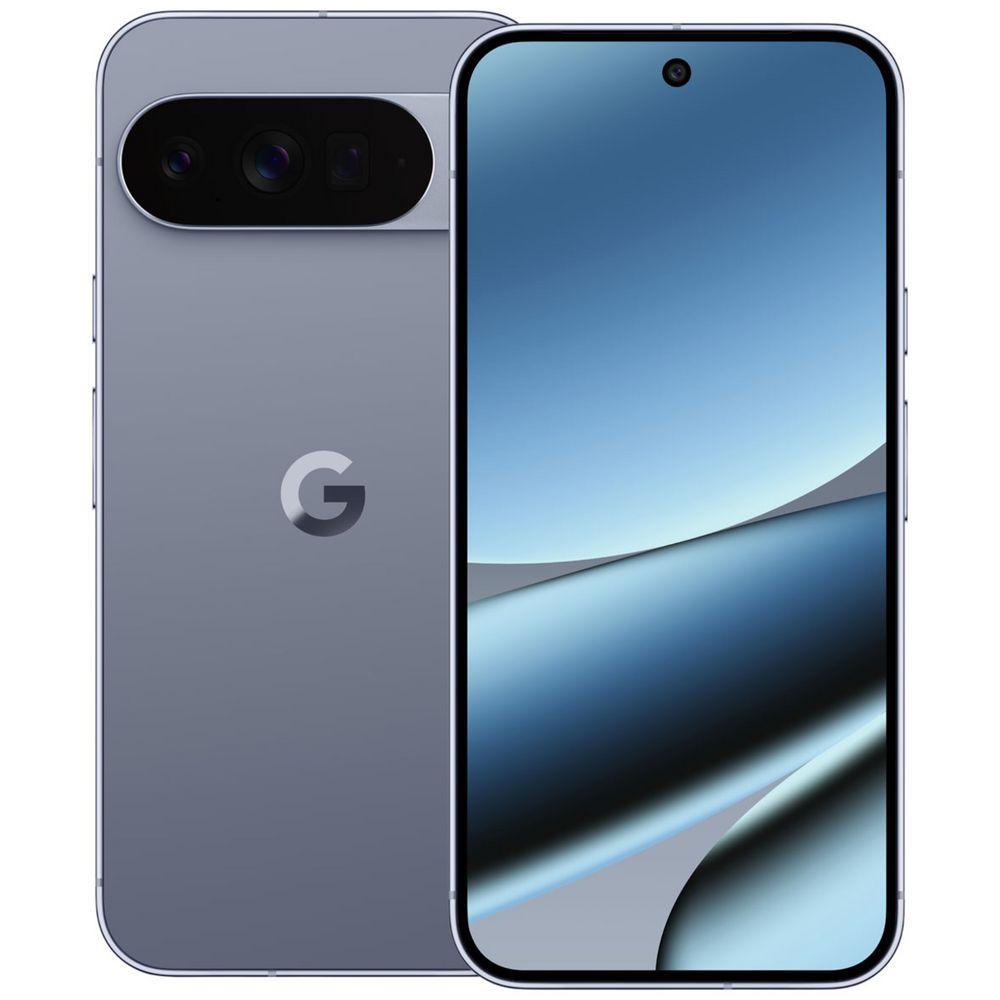
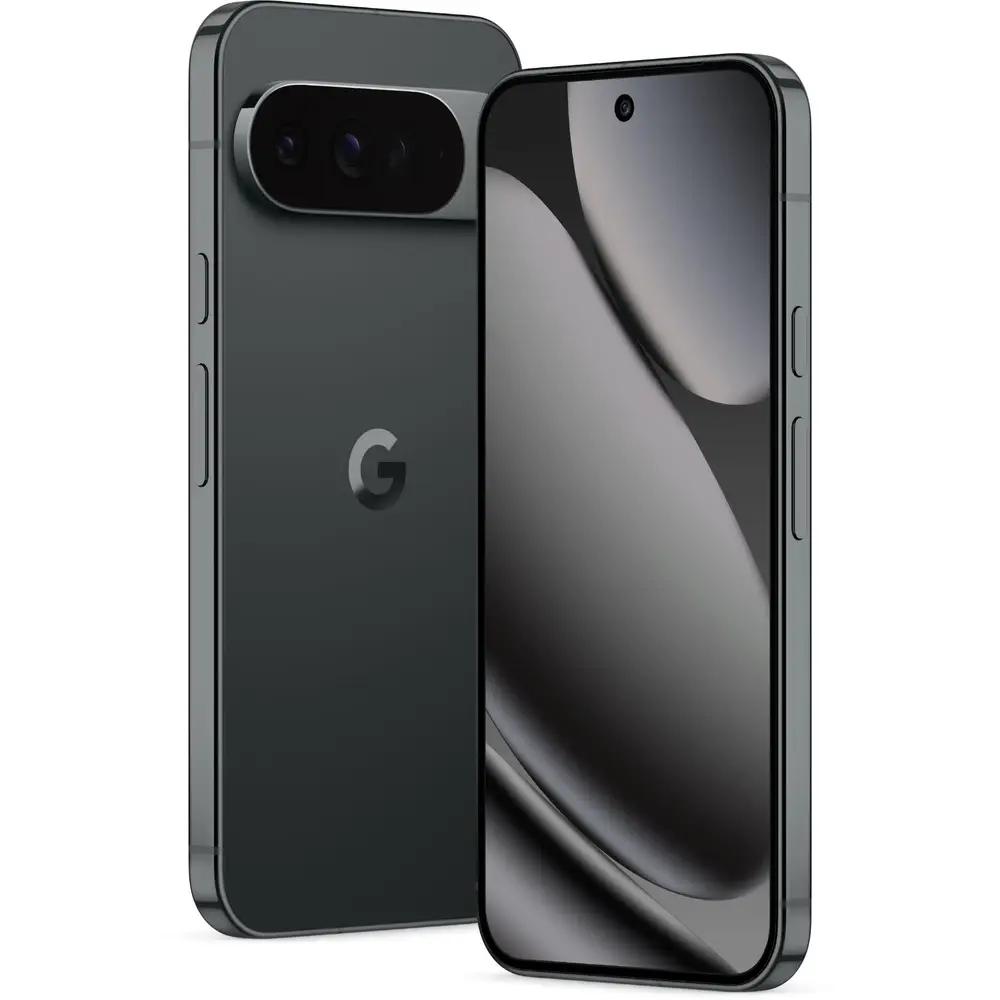
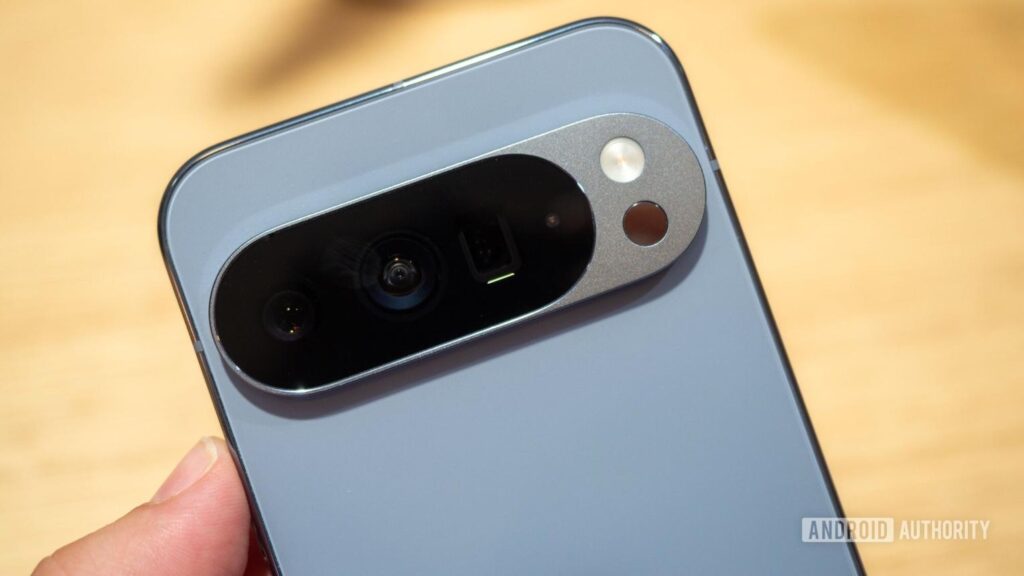
If your top priority is photo quality and a genuinely helpful AI assistant — not just a chatbot bolted onto the settings menu — the Pixel 10 Pro XL is the phone to beat.
Design & Display The Pixel 10 Pro XL sports a 6.8-inch Super Actua display with a blistering 3,300-nit peak brightness, meaning it stays perfectly readable even in direct sunlight. The frame is built from durable aluminum, and the front and back are protected by Corning Gorilla Glass Victus 2 for solid scratch and drop resistance.
Performance Google’s next-generation Tensor G5 chip drives the show here, and while it’s tuned less for raw benchmark scores and more for on-device AI processing, day-to-day performance is smooth and consistent.
Camera — The Real Star This is where the Pixel 10 Pro XL earns its spot on this list. The triple rear camera system is capable of 100x Pro Res Zoom powered by an upgraded telephoto lens and AI imaging, plus a 50MP main sensor for detailed, vibrant photos in nearly any lighting condition. Video shooters get access to super steady 8K recording, and the built-in Camera Coach — powered by Gemini — offers real-time suggestions on framing and lighting, which is a genuinely useful feature for anyone who isn’t a professional photographer.
AI Features Gemini is baked into the entire experience. Gemini Live lets you have a natural, back-and-forth conversation with your phone, point your camera at something and ask questions about it, or get real-time help with tasks. It’s the most conversational, least “robotic” AI assistant currently on a smartphone.
Battery Google rates the Pixel 10 Pro XL for 24+ hours of battery life with fast charging support, so you’re not tied to an outlet during a long day out.
Who it’s for: Photography enthusiasts, anyone who wants the most natural AI assistant experience, and buyers who want flagship performance without paying the absolute top price.
Pros: Best zoom and computational photography on this list, genuinely useful AI features, excellent display brightness, relatively strong value at this tier Cons: Tensor chip trails Snapdragon/Apple silicon in raw benchmarks, camera bump is large
4. Samsung Galaxy Z Fold7 — Best for Productivity & Multitasking
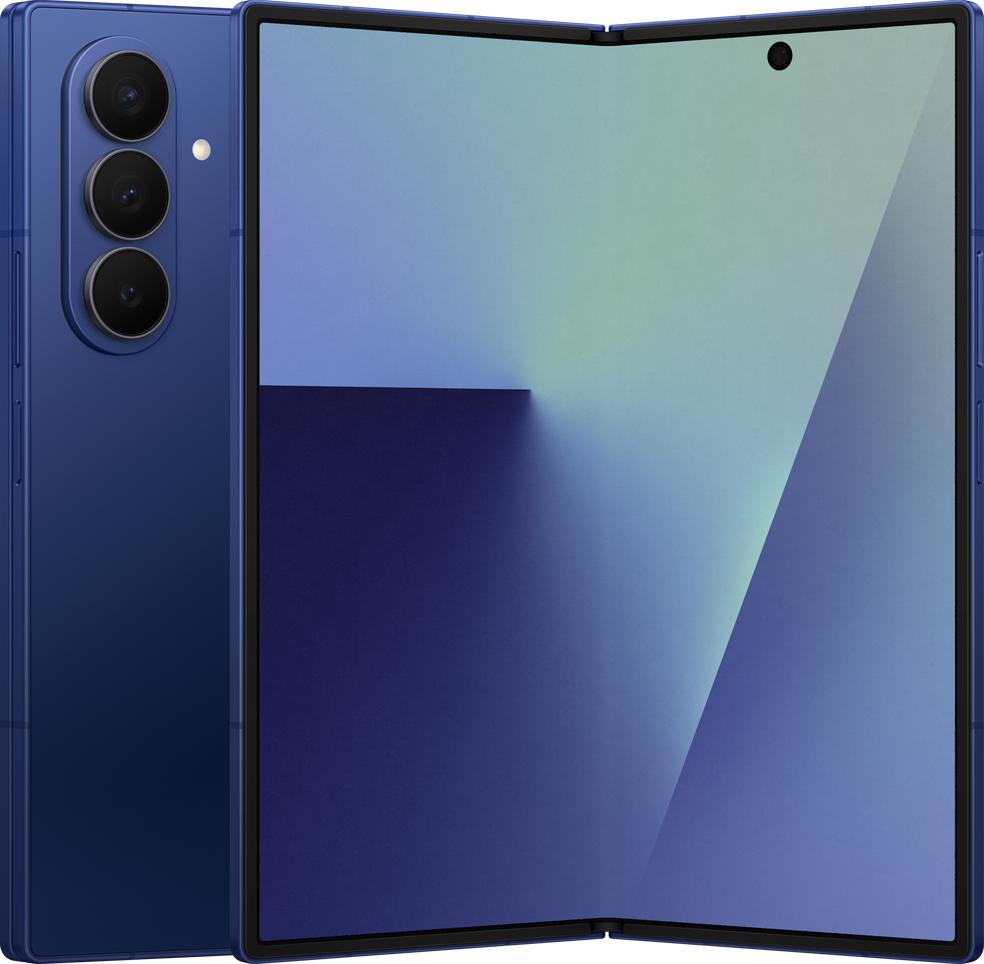
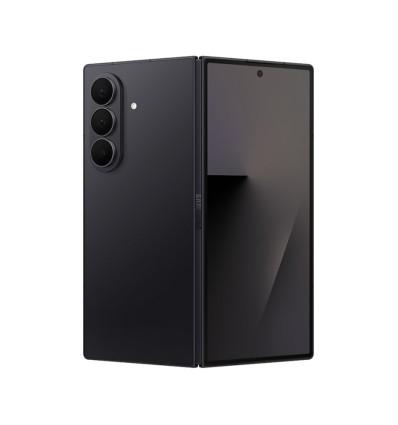
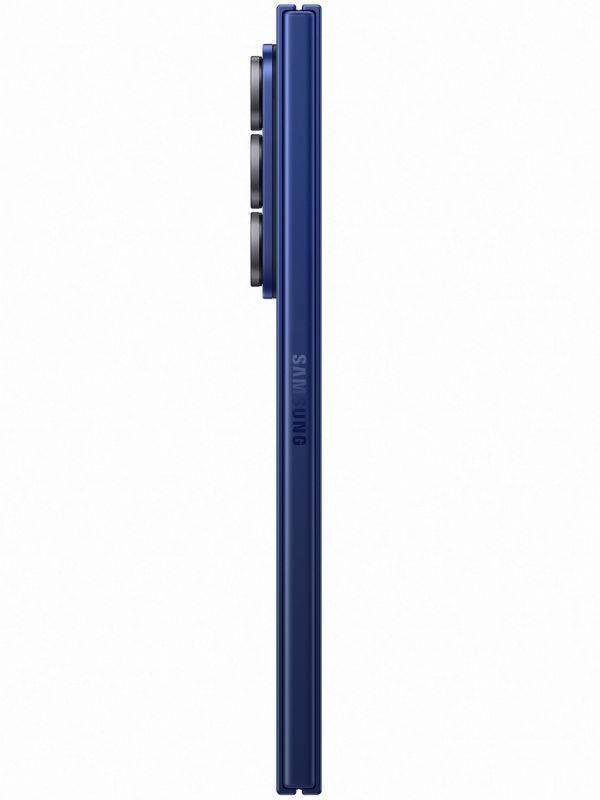
If you use your phone as a genuine work tool — juggling documents, spreadsheets, video calls, and research all day — the Galaxy Z Fold7 might be the most useful device on this entire list.
Design The Z Fold7 unfolds from a familiar-feeling 6.5-inch cover display into a full 8-inch tablet-sized screen, giving you dramatically more room to work, read, and create. Samsung managed to make this generation both wider and slimmer than before, closing the gap between “foldable” and “normal phone” in terms of everyday comfort. The frame uses an advanced Armor Aluminum build paired with Corning Gorilla Glass Ceramic 2, so the added durability doesn’t come at the cost of ruggedness.
Multitasking This is the Z Fold7’s entire reason for existing, and it delivers. You can view up to three app windows simultaneously on the inner display — draft an email while referencing a document and keeping a video call visible, for example. Paired with a customized Snapdragon 8 Elite processor built specifically for Galaxy devices, everything stays smooth even with multiple heavy apps running at once.
Camera For the first time on a foldable, the Z Fold7 packs a 200MP main camera with Samsung’s Pro-Visual Engine, closing much of the gap that used to exist between foldables and traditional flagship camera systems. Photo Assist makes quick edits (like removing a stranger from the background) simple, and Best Face helps make sure everyone’s eyes are open in group shots.
AI Integration Gemini Live goes a step further here — you can screen-share with the AI or point your camera at something in the real world and get instant context or answers, which is especially useful when you’re using the large inner display for research or content review.
Who it’s for: Professionals, students, and power users who want a phone that can genuinely replace a small tablet for productivity tasks.
Pros: Unmatched multitasking capability, surprisingly strong camera for a foldable, durable build despite the hinge, large immersive inner display Cons: Highest price point on this list, foldables carry more long-term durability questions than slab phones, thicker than a traditional phone
5. OnePlus 13 — Best Value Flagship
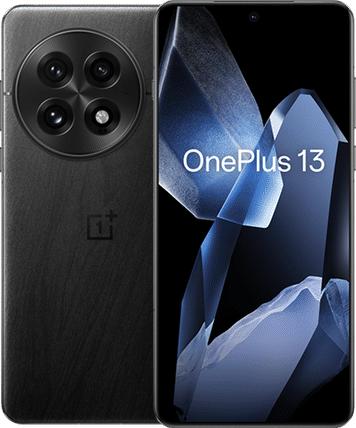
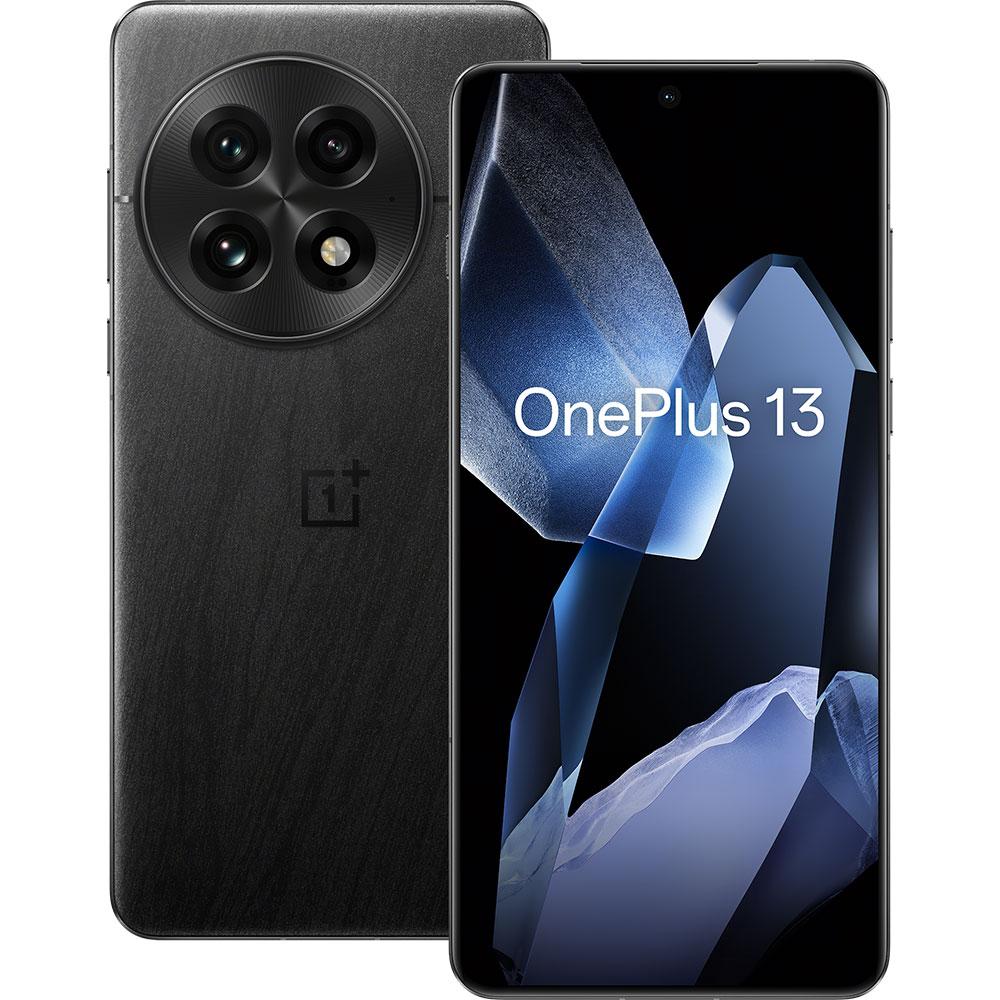
Not everyone wants — or needs — to spend $1,200+ to get flagship-tier performance. That’s exactly the gap the OnePlus 13 fills, delivering genuinely top-tier specs at a price that undercuts the rest of this list.
Performance The OnePlus 13 is powered by the Snapdragon 8 Elite chipset with up to 16GB of RAM, putting its raw performance directly in line with phones costing hundreds of dollars more. Whether you’re gaming, editing photos, or running several demanding apps at once, this phone doesn’t hesitate.
Display You get a 120Hz Super Fluid AMOLED display with dynamic refresh rate and QHD+ ProXDR resolution, which means vibrant colors and smooth motion whether you’re scrolling, streaming, or gaming.
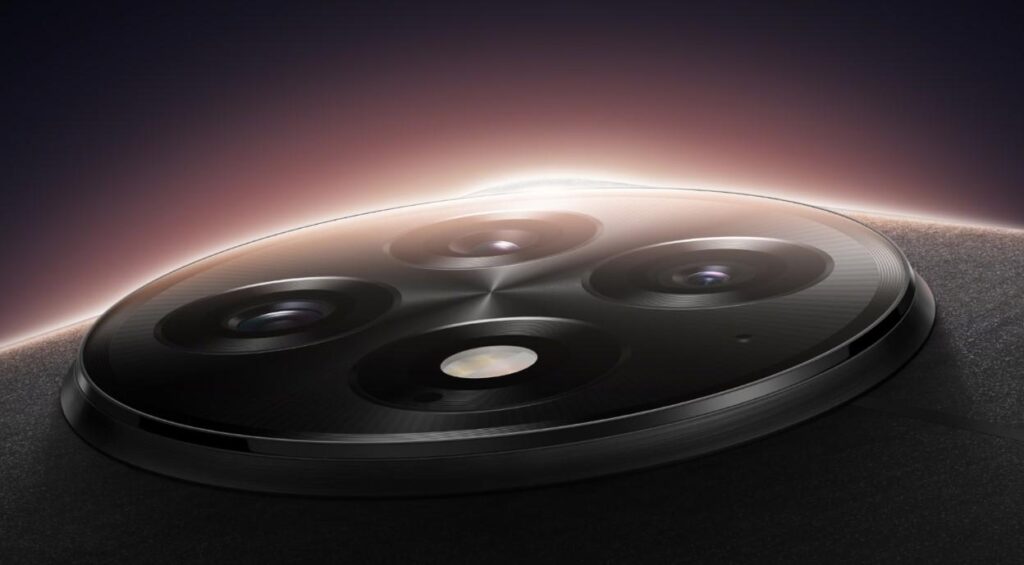
Camera OnePlus partnered with Hasselblad again for this generation’s triple camera system, headlined by a 50MP main sensor, a 50MP periscope telephoto with 3x optical zoom, and a 50MP ultrawide lens — a genuinely well-rounded setup that punches well above its price class.
Charging This is where the OnePlus 13 quietly outperforms every other phone on this list: 80W SUPERVOOC wired fast charging and 50W AIRVOOC wireless charging, which OnePlus advertises as the fastest wireless charging speed available in North America. You can go from empty to a full charge in a fraction of the time it takes most competitors.
Who it’s for: Buyers who want flagship-level performance, camera quality, and charging speed without paying for a premium brand name.
Pros: Excellent price-to-performance ratio, fastest charging on this list, strong Hasselblad-tuned camera system, smooth 120Hz display Cons: Software update timeline is shorter than Apple/Samsung/Google, no official carrier support for some U.S. networks depending on model, brand recognition and resale value lag behind the big three
How to Choose the Right Smartphone Over $800 for You
With five of the best smartphones over $800 on the table, here’s how to narrow it down based on what actually matters to you:
- If you want the safest, most well-rounded choice: Go with the iPhone 17 Pro Max. It’s difficult to go wrong with it for photography, performance, and long-term support.
- If you want the most features packed into one device: The Galaxy S26 Ultra’s Privacy Display, S Pen, and AI tools make it the most “loaded” option here.
- If photography and a natural AI assistant matter most: The Pixel 10 Pro XL’s zoom and Gemini integration are hard to beat.
- If you live in spreadsheets, documents, and multitasking: The Galaxy Z Fold7’s larger screen will change how you use your phone day to day.
- If you want flagship performance without the flagship price tag: The OnePlus 13 delivers nearly everything the others do at a noticeably lower cost.
Beyond picking a specific phone, keep these factors in mind before you buy:
Storage: If you shoot a lot of photos or video, or plan to keep the phone for 3+ years, go with at least 256GB. Avoid the base storage tier if you can.
Carrier compatibility: Not every “unlocked” phone works on every network — international versions of some phones (like certain OnePlus models) may not support all U.S. carrier bands. Always check network compatibility before buying, especially with Verizon or other CDMA-adjacent carriers.
New vs. Renewed: Amazon Renewed listings can save you a meaningful amount of money on these same flagship phones, often with a battery health guarantee and return protection. If budget is a real concern, it’s worth comparing the new and renewed listings side by side.
Software support window: Check how many years of OS and security updates each manufacturer promises. This is one of the biggest hidden factors in a phone’s real lifetime value.
Frequently Asked Questions
Is it worth paying $800+ for a smartphone in 2026? If you keep your phone for 3+ years, use it heavily for photography, work, or content creation, or simply want the best possible day-to-day experience, yes — that’s exactly why the best smartphones over $800 consistently outperform mid-range devices in real-world use, not just on paper.
Which phone on this list has the best camera? The Pixel 10 Pro XL leads in computational photography and zoom range, while the iPhone 17 Pro Max is the strongest all-around choice for video. The Galaxy S26 Ultra and Z Fold7 aren’t far behind, especially in daylight shooting.
Should I buy new or Amazon Renewed? Amazon Renewed listings for these same flagship phones can offer significant savings and come with return protection and a minimum battery health guarantee, making them a solid option if you want to spend less without dropping down a tier in device quality.
Which of these phones has the best battery life? The iPhone 17 Pro Max and Pixel 10 Pro XL both post strong all-day battery numbers, but if fast charging speed matters more to you than raw capacity, the OnePlus 13 recovers a full charge dramatically faster than the others.
Is the Galaxy Z Fold7 durable enough for daily use? Samsung has significantly reinforced this generation with an Armor Aluminum frame and Gorilla Glass Ceramic 2, but as with any foldable, it’s worth using a case and being mindful of the hinge over years of daily folding.
Final Verdict: Best Smartphones Over $800
There’s no single “best” phone here — there’s a best phone for you. If you want the safest all-around pick, the iPhone 17 Pro Max won’t disappoint. If you want the most Android features in one device, the Galaxy S26 Ultra delivers. Photography and AI lovers should look hard at the Pixel 10 Pro XL, productivity-focused buyers will get the most life-changing upgrade from the Galaxy Z Fold7, and anyone watching their budget without wanting to compromise on performance should seriously consider the OnePlus 13.
Whichever one you choose, all five represent the best of what smartphones can do in 2026 — and all five are ready to order today.
Don’t wait too long to decide. Flagship phones like these routinely sell out of popular colors and storage configurations within weeks of restocks, and Amazon pricing on top models can shift daily. If one of these five stood out to you, click through now to lock in today’s price and availability.
Prices, colors, and storage configurations on Amazon change frequently — click through on any pick above to see current pricing and available options before you buy.
