
iPhone 18 vs iPhone 17
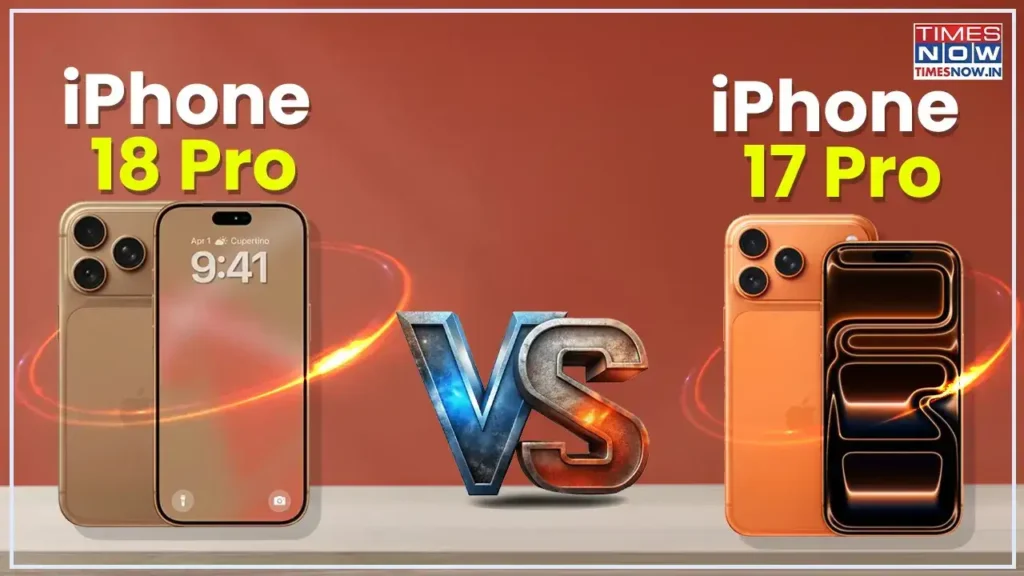
If you’re currently holding an iPhone 17 and eyeing the iPhone 18 rumors with that familiar mix of curiosity and mild anxiety — “should I wait?” — you’re asking exactly the right question at exactly the right time. Every September, this exact debate plays out in millions of heads at once, and honestly, most people overthink it. The truth is, the right answer depends far more on your specific phone, habits, and patience than it does on any single spec sheet.
This isn’t a rumor dump. We already covered every leak in detail in our full iPhone 18 rumor roundup — this article exists purely to answer one practical question: for someone who already owns an iPhone 17, is upgrading to the iPhone 18 actually worth it, or is waiting the smarter move? Let’s break it down honestly.
The Quick Answer (If You’re in a Hurry)
If you own a standard iPhone 17 and mainly use your phone for calls, texts, social media, and casual photos — you can comfortably skip this generation. The differences that matter most (foldable design, variable-aperture camera) are Pro-exclusive rumors, and the standard iPhone 18 isn’t even expected until spring 2027 anyway.
If you own an iPhone 17 Pro or Pro Max and you’re someone who genuinely cares about camera capability or has been waiting for Apple’s first foldable — this is shaping up to be a legitimately meaningful upgrade year, not just a refresh.
Now let’s get into exactly why.
What’s Actually Changing: A Side-by-Side Look
| Category | iPhone 17 Pro Max (What You Have) | iPhone 18 Pro Max (What’s Rumored) | Real-World Difference |
|---|---|---|---|
| Chip | A19 Pro | A20 Pro (2nm process) | Faster and more efficient, but both handle everyday tasks smoothly — this matters most for heavy gaming/video editing |
| Camera | 48MP triple system, 8x optical-quality zoom | Rumored variable-aperture main camera | A genuine new capability, not just a resolution bump — affects background blur and low-light control |
| Face ID | Standard notch/Dynamic Island module | Possible under-display Face ID | Mostly cosmetic — smaller Dynamic Island, same underlying security |
| Modem | Apple’s existing modem | Next-gen C2 modem | Marginal — most users won’t notice day-to-day |
| Form factor options | Standard slab design only | First-ever foldable iPhone added to lineup | A genuinely new category, not an upgrade to your existing phone |
| Design/colors | Cosmic Orange available | Rumored “Dark Cherry” replacing it | Purely aesthetic |
Looking at this table honestly: most of the meaningful changes cluster around the camera and the brand-new foldable option — not a broad overhaul of the entire phone experience.
Reason #1 to Upgrade: The Variable-Aperture Camera
This is genuinely the strongest case for upgrading, if you’re a photography-minded person. Every iPhone camera improvement in recent years has been about smarter software processing — a variable aperture is different. It’s a physical, mechanical change to how light enters the lens, meaning real control over depth of field and background blur, not a filter simulating the effect after the fact.
If you’ve ever been mildly annoyed that iPhone portrait mode sometimes looks a little too artificial around hair or glasses, this is the kind of feature that directly addresses that. It’s the first time in years Apple’s camera update has been a genuine hardware capability shift rather than “the same lens, now processed slightly better.”
Who this matters to: content creators, hobbyist photographers, anyone who’s specifically been frustrated with portrait mode’s software-driven blur. Who this doesn’t matter to: if you mostly take quick snapshots for social media or messaging, you likely won’t notice much difference in daily use.
Reason #2 to Upgrade: Apple’s First Foldable
This is the wildcard reason, and it’s less about “better” and more about “genuinely new.” If you’ve been holding out hope for an Apple foldable specifically, this is the generation it’s rumored to finally arrive — a book-style fold with a ~7.8-inch inner display and ~5.5-inch outer display.
Worth being honest here: first-generation hardware from any company, Apple included, tends to carry more risk — untested hinge durability over years of folding, a higher price (rumored above $2,000), and inevitably a few rough edges a second-generation model usually smooths out. If you’re the type who prefers to let a first-gen product mature before buying in, this might be a “wait for gen 2” situation rather than a day-one purchase, even if you’re genuinely excited about it.
Reason #1 to Wait: You Own a Standard iPhone 17 (Not Pro)
If your current phone is the standard iPhone 17 — not the Pro or Pro Max — this generation gets a lot less compelling. The standard iPhone 18 isn’t expected until spring 2027, roughly six months after the Pro models launch. Some rumors even suggest the standard model may see certain specs held back rather than upgraded, narrowing the gap between it and the budget iPhone 18e rather than widening it.
Practically speaking: if you own a standard iPhone 17, “waiting for the iPhone 18” actually means waiting an extra six-plus months beyond this September — worth knowing before you set your expectations around a fall launch.
Reason #2 to Wait: Most of the Big Changes Are Pro-Exclusive
Historically, Apple reserves its most significant camera and design changes for the Pro line, with the standard model getting a lighter version of last year’s Pro features a cycle later. If the variable-aperture camera and under-display Face ID rumors are Pro-exclusive (which is the current expectation), a standard iPhone 18 buyer likely won’t get either — meaning the “exciting” part of this generation may not even reach the phone most people actually buy.
Reason #3 to Wait: Your iPhone 17 Is Still Genuinely Excellent
This is the one people underestimate. The iPhone 17 generation — especially the Pro and Pro Max — was already a very strong performer on its own release: fast chip, excellent camera system, all-day battery life. None of that has degraded just because a newer model is coming. If nothing on your current phone actively bothers you day-to-day, “new phone exists” isn’t the same as “your phone needs replacing.”
A Simple Decision Framework
Rather than trying to weigh every spec individually, ask yourself these three questions:
- Does anything about my current phone genuinely bother me — battery life, camera limitations, storage, speed? If yes, upgrading solves a real problem. If no, you’re upgrading for the idea of newness, not a practical need.
- Am I specifically excited about the variable-aperture camera or the foldable — not just “new iPhone” excitement, but those two features specifically? If yes, this is a stronger-than-usual upgrade year for you. If you’re lukewarm on both, this is a fairly typical, skippable generation.
- Do I own a Pro model already? If you own a standard iPhone 17, the realistic wait for a meaningful standard-model upgrade stretches into spring 2027 anyway — so “upgrade this fall” isn’t really on the table for you regardless.
What Happens to iPhone 17 Prices If You Do Upgrade
One underrated factor: if you do decide to upgrade, timing your sale or trade-in matters. iPhone resale values typically dip the moment a new generation is officially announced, then dip again once it actually ships. If you’re planning to sell your current iPhone 17 to offset the cost of an iPhone 18, doing so before Apple’s September announcement typically nets a noticeably better price than waiting until after.
If You Decide Not to Wait
Not everyone needs to play the “wait for the next one” game forever — sometimes the smartest move is buying a great phone that already exists rather than holding out for rumors that might not even land as described. If that’s where you’re leaning, we’ve broken down the current best options — iPhone 17 Pro Max included — in our best smartphones over $800 guide, alongside strong Android alternatives if you’re open to switching.
Frequently Asked Questions
Is the iPhone 18 a big enough upgrade over the iPhone 17 to justify switching? For Pro/Pro Max owners specifically interested in the rumored variable-aperture camera or Apple’s first foldable, yes, this could be a meaningfully bigger jump than a typical year. For standard iPhone 17 owners, the wait stretches to spring 2027, and the case for upgrading is much weaker.
Will the iPhone 18 have a completely different design? Current rumors suggest the Pro and Pro Max keep a broadly similar silhouette to the iPhone 17 generation, with the biggest visual change being a possible smaller Dynamic Island (if under-display Face ID pans out) and a new “Dark Cherry” color option.
Should I sell my iPhone 17 now or wait until the iPhone 18 launches? If you’re planning to upgrade, selling before Apple’s official September announcement typically gets you a better resale price, since values tend to drop once the new generation is confirmed and again once it ships.
Is it worth buying the iPhone 17 now instead of waiting for the iPhone 18? If you don’t specifically care about the rumored foldable or variable-aperture camera, the iPhone 17 Pro Max remains an excellent phone today, and prices on it typically become more attractive once the iPhone 18 launches and demand shifts to the new model.
When will the standard iPhone 18 (non-Pro) be released? Current rumors point to spring 2027 for the standard iPhone 18 and the budget iPhone 18e, roughly six months after the Pro models are expected to launch in September 2026.
The Bottom Line
There’s no universal right answer here — it genuinely depends on which iPhone 17 you own and which specific iPhone 18 rumors actually excite you. Pro/Pro Max owners chasing the camera upgrade or the foldable have a real case to wait. Standard iPhone 17 owners are looking at a much longer runway before their upgrade even arrives. And if none of the rumored changes personally excite you, there’s nothing wrong with simply enjoying the excellent phone you already have.
Want the full rundown of every rumor before you decide? Our complete iPhone 18 rumor roundup covers the release date, foldable details, camera specs, and pricing predictions in depth.
This article is based on current rumors and industry reporting as of mid-2026. Nothing here is officially confirmed by Apple, and details may change before the actual announcement.
iPhone 17 Pro Max – Best for Video & Performance

6
Key Highlights:
- Display: 6.7-inch Super Retina XDR
- Camera: 48 MP fusion + telephoto
- Battery: Long-lasting efficiency
Why Buy: Best video quality and ecosystem
