
If you’ve spent any time researching microphones for streaming, podcasting, or voiceover work, you’ve almost certainly run into the same name over and over: the Shure SM7B.
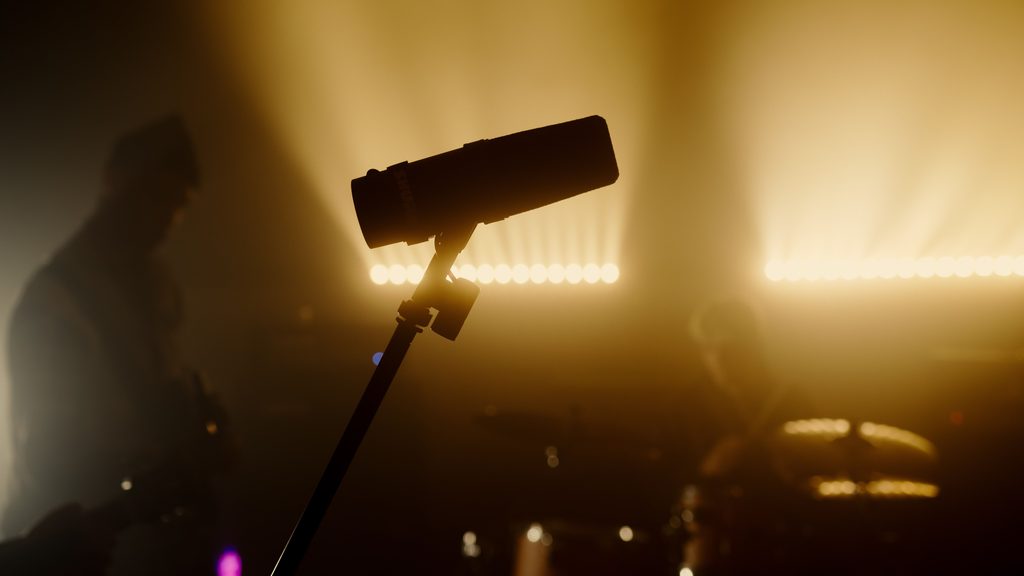
Shure SM7B. It’s the mic behind countless popular podcasts, Twitch streams, and to a genuine industry legend with decades of studio pedigree. But it comes with a well-known catch: it needs a lot of clean gain to sound its best, which means most buyers end up needing an extra inline preamp (like a Cloudlifter or FetHead) just to get it sounding right.
This Shure SM7dB review exists because Shure finally addressed that exact problem directly. The SM7dB takes the same legendary capsule and sound signature as the SM7B and builds a preamp straight into the microphone body itself — no extra box, no extra cable, no extra purchase. The question this review actually answers isn’t “is this a good microphone” — Shure’s reputation already answers that. The real question is: does the built-in preamp and the roughly $110 price jump over the standard SM7B actually make sense for you specifically? Let’s dig in.
Quick Verdict (If You’re Short on Time)
The Shure SM7dB is an excellent, professional-grade dynamic microphone that solves the SM7B’s most common complaint — weak output requiring extra gear — by building a clean, switchable preamp directly into the mic. At $549, it’s a genuine investment, not an impulse buy, but for anyone recording vocals regularly who wants studio-quality sound without assembling a complicated signal chain, it’s one of the smartest simplifications in the mic’s long history.
Buy it if: you want SM7B-level sound with the simplest possible setup, and you don’t already own a quality inline preamp. Skip it if: you already own a Cloudlifter or FetHead and a standard SM7B, since you’d essentially be paying again for something you already have solved.
What Exactly Is the Shure SM7dB?
The “dB” in the name is a direct nod to what’s actually new here: a built-in gain booster, expressed in decibels. Everything else about the microphone — the dynamic cartridge, the frequency response, the physical design, the cardioid pickup pattern — is carried over directly from the original SM7B, a microphone that’s remained essentially unchanged (and in constant professional use) since 1973.
This isn’t a case of Shure releasing a “new generation” that quietly changes the sound people have relied on for fifty years. It’s closer to Shure taking a design classic and fixing the one genuinely inconvenient thing about owning it. If you’ve heard the SM7B on a podcast, a Twitch stream, or a radio broadcast, you’ve heard what the SM7dB sounds like — the difference is entirely in how easily you can get that sound out of your interface.
The Built-In Preamp: Why This Actually Matters
To understand why this is such a meaningful upgrade rather than just a marketing gimmick, it helps to understand the actual problem it solves.
Dynamic microphones like the SM7B produce a naturally low output signal — that’s part of what makes them so good at rejecting background noise and room echo, but it also means your audio interface has to work hard to boost that signal up to a usable volume. Many affordable and mid-range interfaces simply don’t have enough clean gain on tap to do this properly, which historically left SM7B owners with two options: turn the interface gain all the way up and risk introducing hiss and noise, or buy a separate inline preamp device specifically to solve the problem before the signal even reaches the interface.
The SM7dB removes that decision entirely. It has a selectable +18dB or +28dB of onboard, clean gain, built directly into the microphone body and powered over the same standard XLR cable you’re already using — no separate power supply, no extra box sitting on your desk, no additional cable run. You simply plug in the mic, flip a rear-panel switch to the gain setting your interface needs, and you’re set.
In practical terms, this means: your signal chain becomes just three things — the microphone, one XLR cable, and your interface. That’s it. For anyone who’s ever dealt with a tangle of adapters, phantom power confusion, or a separate preamp box rattling around a desk, this simplification alone is a meaningful quality-of-life improvement, independent of the actual sound quality.
Sound Quality: What You’re Actually Getting
Because the SM7dB uses the identical dynamic cartridge and frequency response as the legendary SM7B, the underlying sound character is exactly what’s made this microphone a broadcast and studio staple for decades: warm, smooth, and notably forgiving on voices that can sound harsh or sibilant on brighter, more sensitive microphones.
This warmth isn’t an accident — it’s a direct result of the microphone’s dynamic design (as opposed to condenser microphones, which tend to be brighter and far more sensitive to room sound). A dynamic capsule naturally rolls off some of the harsher high-frequency content in a voice, which is part of why this microphone has remained the go-to choice for radio broadcasters and podcasters who need consistent, pleasant vocal tone without a treated recording room.
Focused Vocal Isolation
The SM7dB uses a precision cardioid polar pattern, meaning it’s most sensitive to sound directly in front of it and significantly rejects sound coming from the sides and rear. Combined with internal air suspension shock isolation, this makes it genuinely excellent at ignoring background noise, room echo, and even physical vibrations from a desk being bumped or a mechanical keyboard being used nearby — a real advantage for anyone recording in an untreated bedroom or home office rather than a dedicated studio space.
Rear-Panel Tone Shaping
Beyond the preamp, the SM7dB includes two switchable EQ options on the rear panel: a bass roll-off switch and a mid-range presence boost switch. These aren’t gimmicks — they’re genuinely useful, studio-standard tone-shaping tools:
- The bass roll-off switch reduces low-frequency buildup, which is particularly useful if you tend to sit close to the mic (a phenomenon called the proximity effect can otherwise make voices sound boomy or muddy up close).
- The presence boost switch adds a subtle lift in the upper-midrange, which can help a voice cut through more clearly in a mix — useful for commentary, voiceover work, or any recording where clarity and intelligibility matter more than pure warmth.
Having these built directly into the hardware means you can shape your basic tone before it ever reaches your recording software, rather than relying entirely on software plugins after the fact — a genuinely faster workflow once you know your own voice and preferences.


Build Quality: Built Like It’s Meant to Last Decades
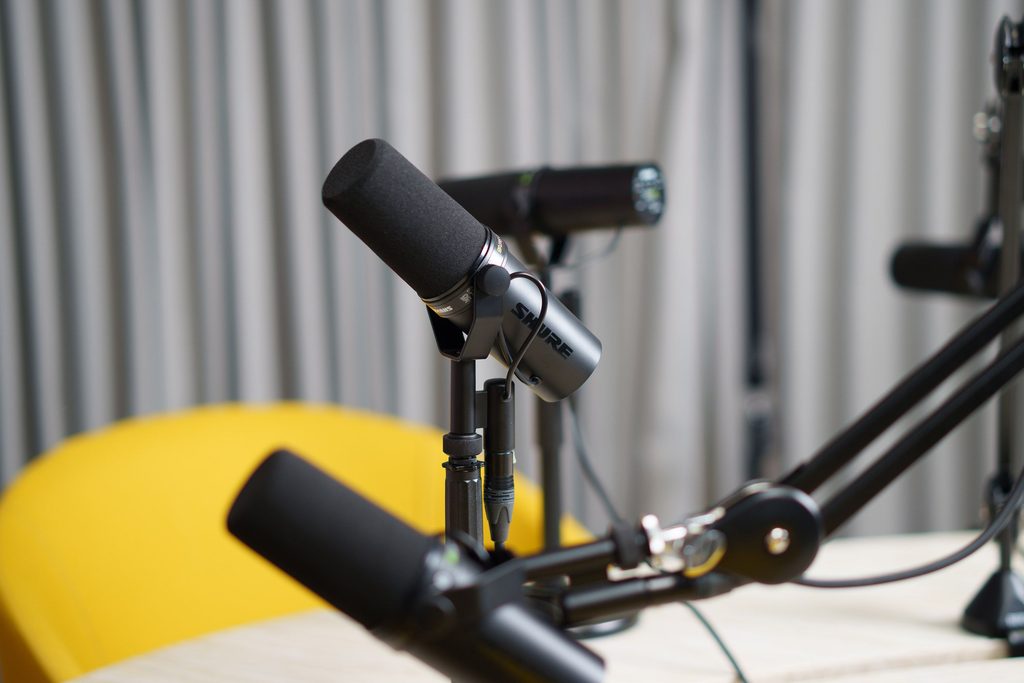
This is genuinely one of the most underrated aspects of this microphone, and part of why so many original SM7Bs from decades ago are still in daily professional use today. The SM7dB uses rugged, all-metal construction with advanced electromagnetic shielding specifically designed to block hum and interference from nearby monitors, computer equipment, and other electronics — a real, common problem for streamers and podcasters recording near a desk full of gear.
It ships with a large foam windscreen included in the box, along with a switch cover plate — a small but thoughtful detail that physically protects the rear-panel EQ and gain switches from being accidentally bumped once you’ve dialed in your settings.
What’s in the Box
- Shure SM7dB microphone
- Large foam windscreen (helps reduce plosives — the harsh “p” and “b” sounds that can otherwise overload a mic)
- Switch cover plate (protects your EQ/gain settings from accidental changes)
Worth noting: like the standard SM7B, this microphone does not include a boom arm or shock mount stand — its substantial weight means most buyers pair it with a dedicated broadcast-style boom arm (like the Rode PSA1 or similar), which is a separate purchase to factor into your total budget.
SM7dB vs. SM7B: What Are You Actually Paying Extra For?
This is the comparison most people researching this mic actually want answered, so let’s lay it out directly:
| Feature | Shure SM7B | Shure SM7dB |
|---|---|---|
| Core capsule & sound | Identical dynamic cartridge | Identical dynamic cartridge |
| Frequency response | Same | Same |
| Built-in preamp | No — requires external inline preamp for most interfaces | Yes — selectable +18dB/+28dB |
| EQ shaping switches | Yes (bass roll-off, presence boost) | Yes (bass roll-off, presence boost) |
| Cable needed | Standard XLR | Standard XLR (preamp is self-contained) |
| Typical total cost | ~$439 + ~$150 for a quality inline preamp (~$589 total) | $549 all-in |
| Setup complexity | Mic + preamp box + extra cable | Mic + one cable |
Looking at this side by side, the value proposition becomes clear: if you don’t already own a quality inline preamp, the SM7dB isn’t really a $110 premium over the SM7B — it’s actually roughly the same total cost, or even slightly less, once you account for the separate preamp most SM7B owners end up buying anyway, while being meaningfully simpler to set up and travel with.
Who Should Actually Buy This Microphone
Being direct about this, since a $549 microphone is a real investment, not an impulse purchase:
This is a great fit if you:
- Stream, podcast, or record voiceover regularly and want your voice to sound genuinely professional without a treated studio room
- Don’t already own a separate inline preamp and want the simplest possible path to great sound
- Record in a home office or bedroom with some ambient noise or echo you want the mic to naturally reject
- Value long-term durability and want a microphone you won’t need to replace or upgrade for years
This might not be the right fit if you:
- You’re just starting out and unsure if streaming/podcasting is something you’ll stick with — a more affordable USB microphone might make more sense as a starting point
- You already own a standard SM7B paired with a Cloudlifter or FetHead — you’ve already solved the exact problem this microphone exists to fix
- You need a simple plug-and-play USB microphone and don’t already have (or want to buy) an audio interface, since this is an XLR microphone requiring one
A Note on What You’ll Need Alongside It
Since the SM7dB is an XLR microphone, it’s worth knowing upfront what else factors into your total setup cost if you’re starting from scratch:
- An audio interface with at least one XLR input (many affordable 1-2 channel interfaces work perfectly fine now that the preamp is built into the mic itself)
- A boom arm or mic stand capable of supporting its weight, since none is included
- An XLR cable to connect the mic to your interface
Because the SM7dB’s built-in preamp does the heavy lifting, you genuinely don’t need an expensive, high-gain interface anymore — this is one of the most practical, budget-friendly side effects of this microphone’s design, since it opens the door to using much more affordable interfaces than an SM7B owner would typically need.
Common Questions Before Buying
Does the SM7dB need phantom power?
No traditional phantom power is required for the microphone’s core dynamic capsule to function, but the built-in preamp does draw power through the XLR connection from your interface (the same way phantom power normally works), so make sure your interface can supply it.
Can I use the SM7dB without the preamp engaged?
Yes — the gain switches are adjustable, and while there isn’t a fully “off” bypass in the traditional sense, the flexibility of the +18dB/+28dB settings means you can dial in exactly how much boost your specific interface needs, rather than being locked into one fixed amount.
Is this a good microphone for singing, not just talking?
Yes — since it shares the exact same capsule and frequency response as the SM7B, which has a long, well-documented history in professional vocal recording, it performs just as well for singing as it does for spoken word.
Do I need to treat my room acoustically to use this microphone?
Less than you would with a condenser microphone. The cardioid pattern and dynamic capsule’s natural noise rejection make it noticeably more forgiving in untreated rooms, though basic acoustic treatment (even soft furnishings, curtains, or a rug) will always improve any recording setup further.
Frequently Asked Questions
Is the Shure SM7dB worth the price compared to the standard SM7B? For most buyers who don’t already own a separate inline preamp, yes — once you factor in the cost of the extra gear an SM7B typically requires, the SM7dB works out to a similar or even better overall value, with meaningfully simpler setup.
What’s the difference between the Shure SM7B and SM7dB? The core microphone capsule and sound are identical. The SM7dB adds a built-in, switchable +18dB/+28dB preamp directly into the microphone, eliminating the need for a separate external preamp device that most SM7B owners end up buying.
Do I need an expensive audio interface to use the Shure SM7dB? No — this is one of the biggest practical advantages of this microphone. Because the preamp is built in, even affordable, lower-gain interfaces can drive this microphone to a proper recording level, unlike the standard SM7B.
Is the Shure SM7dB good for gaming and streaming specifically? Yes — its strong background noise rejection, natural vocal warmth, and simplified setup make it a popular choice among streamers who want broadcast-quality voice audio without a fully treated studio room.
Does the Shure SM7dB come with a stand or boom arm? No — like the standard SM7B, it ships with just the microphone, a foam windscreen, and a switch cover plate. A boom arm or mic stand capable of supporting its weight is a separate purchase.
Final Verdict
The Shure SM7dB is exactly what it looks like on paper: a genuine quality-of-life fix for the single most common complaint about one of the most respected microphones in broadcast history. It doesn’t reinvent the SM7B’s legendary sound — it doesn’t need to — it simply removes the extra box, extra cable, and extra shopping decision that used to come with getting the most out of it.
At $549, this isn’t a casual purchase, and it’s genuinely overkill if you’re still deciding whether streaming or podcasting is something you’ll stick with long-term. But for anyone serious about consistently professional-sounding vocal audio, who wants the simplest possible path to that sound without assembling a complicated signal chain, the SM7dB earns its reputation as one of the smartest, most practical microphone releases in years.
Prices and availability on Amazon change frequently — click through to confirm current pricing before you buy.
