
1.Sony WH-1000X6

For the better part of a decade, one question has followed every new Sony headphone launch: is this still the noise-cancelling pair to beat? The WH-1000X line has held that title through five generations now, and this Sony WH-1000XM6 review exists to answer the same question honestly for generation six — not just repeat Sony’s own marketing claims, but actually break down what changed, what it means in daily use, and whether the roughly $299 price tag is justified or just familiar-brand tax.
The short version: this is a genuinely substantial upgrade in the areas that matter most — noise cancellation and call quality specifically — rather than a minor spec bump dressed up as a new generation. But there are real trade-offs worth knowing before you buy, and we’ll get into those too.
Quick Verdict (If You’re Short on Time)
The Sony WH-1000XM6 delivers a meaningfully stronger noise cancellation system than its predecessor, genuinely improved call quality thanks to four additional microphones, and a refined, more comfortable design — all while staying at a similar price point to the outgoing XM5. For anyone who travels frequently, works in noisy environments, or takes a lot of calls on the go, this is one of the most complete flagship headphone packages available right now.
Buy it if: you want the best all-around noise cancellation on the market and take calls or fly often. Skip it if: you already own the WH-1000XM5 and don’t have a specific complaint it’s solving, or you specifically need workout-proof, sweat-resistant headphones.
What’s Actually New in the WH-1000XM6
Sony headphones have long set the standard for wireless noise-cancelling performance, and the WH-1000XM6 continues that tradition with meaningful upgrades across the board — not a cosmetic refresh, but real hardware and processing changes.
A Genuinely Faster Noise Cancellation Processor
The headline upgrade is Sony’s new HD Noise Canceling Processor QN3, which is reportedly seven times faster than the QN1 chip used in the XM5. Paired with 12 microphones — up from 8 in the previous generation — the system analyzes and counteracts ambient sound in real time with noticeably more precision than before.
In practical terms, independent testing in a coffee shop environment with 70-75dB of ambient noise measured a roughly 85-90% reduction in perceived noise, enough to make focused work genuinely possible in an environment that would otherwise be distracting. Real-world accounts from cross-country flights describe engine rumble reduced to a barely perceptible hum, and even a crying baby several rows away fading into a distant, muffled sound rather than an ear-piercing distraction.
Meaningfully Better Call Quality
This is an area Sony’s previous generations were sometimes criticized for, and the XM6 addresses it directly with a dedicated six-microphone AI-based beamforming array built specifically for voice calls, working alongside intelligent noise reduction and a wind-resistant design to isolate your voice from background noise. In practice, this is aimed squarely at one of the most common headphone complaints — sounding muffled or distant on calls in busy environments like a coworking space, a street, or a train — and represents a genuinely practical upgrade for anyone using these as their primary work-from-home or travel headphones.
A New Driver Built With Mastering Engineers
Beyond the noise cancellation story, Sony worked directly with professional mastering audio engineers to develop a new driver for the XM6, built around a lightweight carbon fiber dome. The goal of this collaboration was to preserve sound as close to the original studio mix as possible — keeping vocals rich and individual instruments distinct and balanced, rather than blurred together, while still holding up well once heavy noise cancellation processing is layered on top. It’s a detail that matters more than it might sound: noise cancellation processing can sometimes come at the cost of audio fidelity, and this driver design is specifically aimed at avoiding that trade-off.
Expanded Audio Codec and Connectivity Support
The XM6 carries over SBC, AAC, and LDAC support along with high-res wireless certification from the previous generation, and adds Bluetooth LE Audio and Auracast support — newer standards that point toward better future compatibility with next-generation audio equipment and public Auracast broadcast systems as they become more widespread. Sony’s LDAC codec specifically is worth calling out on its own: it transmits roughly three times more data than standard Bluetooth audio, which is what makes genuine high-resolution wireless listening possible in the first place, rather than just marketing language on the box.
Bluetooth Multipoint remains supported for two simultaneous devices, and reviewers note it works smoothly in practice — you can be watching a video on your laptop and seamlessly switch to taking a call on your phone without manually disconnecting and reconnecting.
New Software Features Worth Knowing About
A few software additions round out the upgrade: 360 Reality Audio Upmix for Cinema applies Sony’s spatial audio processing to stereo content you’re already watching, a new ten-band equalizer gives significantly more granular sound customization than previous simpler EQ controls, and a dedicated Gaming EQ mode caters to casual gamers who want a sound profile tuned differently from music or movies. The returning Speak-to-Chat feature, which automatically lowers volume when you start talking, also makes another appearance.
If you’re building out a home studio or streaming setup, audio quality matters just as much as your camera or lighting. We put Shure’s SM7dB — a dynamic microphone with a built-in preamp — through a full review, breaking down whether its $549 price tag is actually justified for podcasters and streamers. Read our full Shure SM7dB review →
Sound Quality: Refined, Not Reinvented
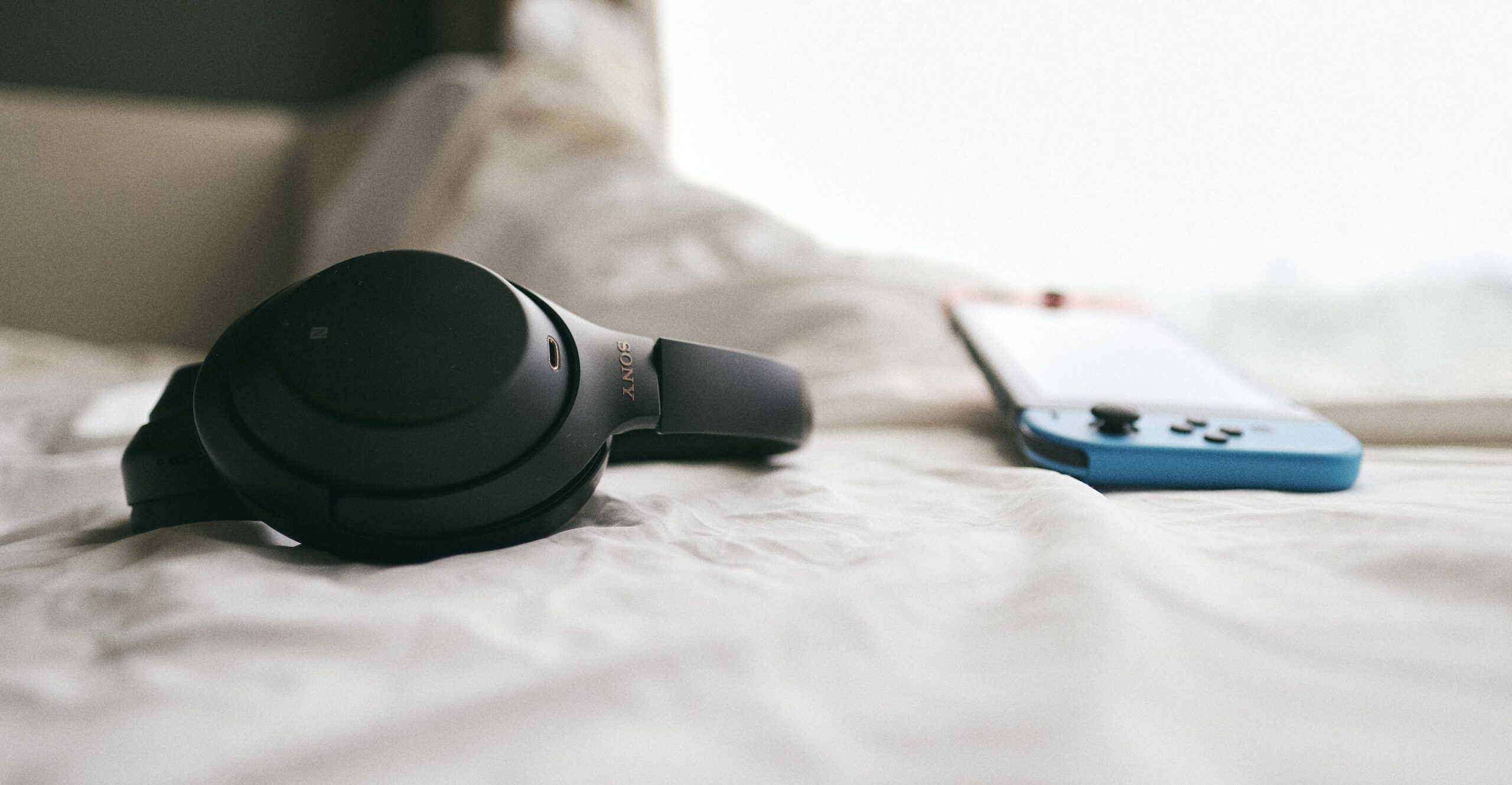
Independent lab measurements and hands-on listening both point to a well-balanced sound signature — not bass-heavy, not overly bright, with a level of clarity that makes instruments feel tightly positioned around your ears. This is attributed partly to the driver placement and shallower ear cup design compared to previous generations.
Worth noting for direct comparison shoppers: the sound isn’t as immediately punchy by default as some competitors, like Bose’s QuietComfort Ultra line, which leans into a more aggressively bassy default profile. The WH-1000XM6 instead prioritizes a neutral, accurate sound — a deliberate choice that will suit listeners who prefer a more natural sound over an artificially boosted one, though it’s worth knowing going in if you specifically want a bass-forward listening experience out of the box.
Design and Comfort
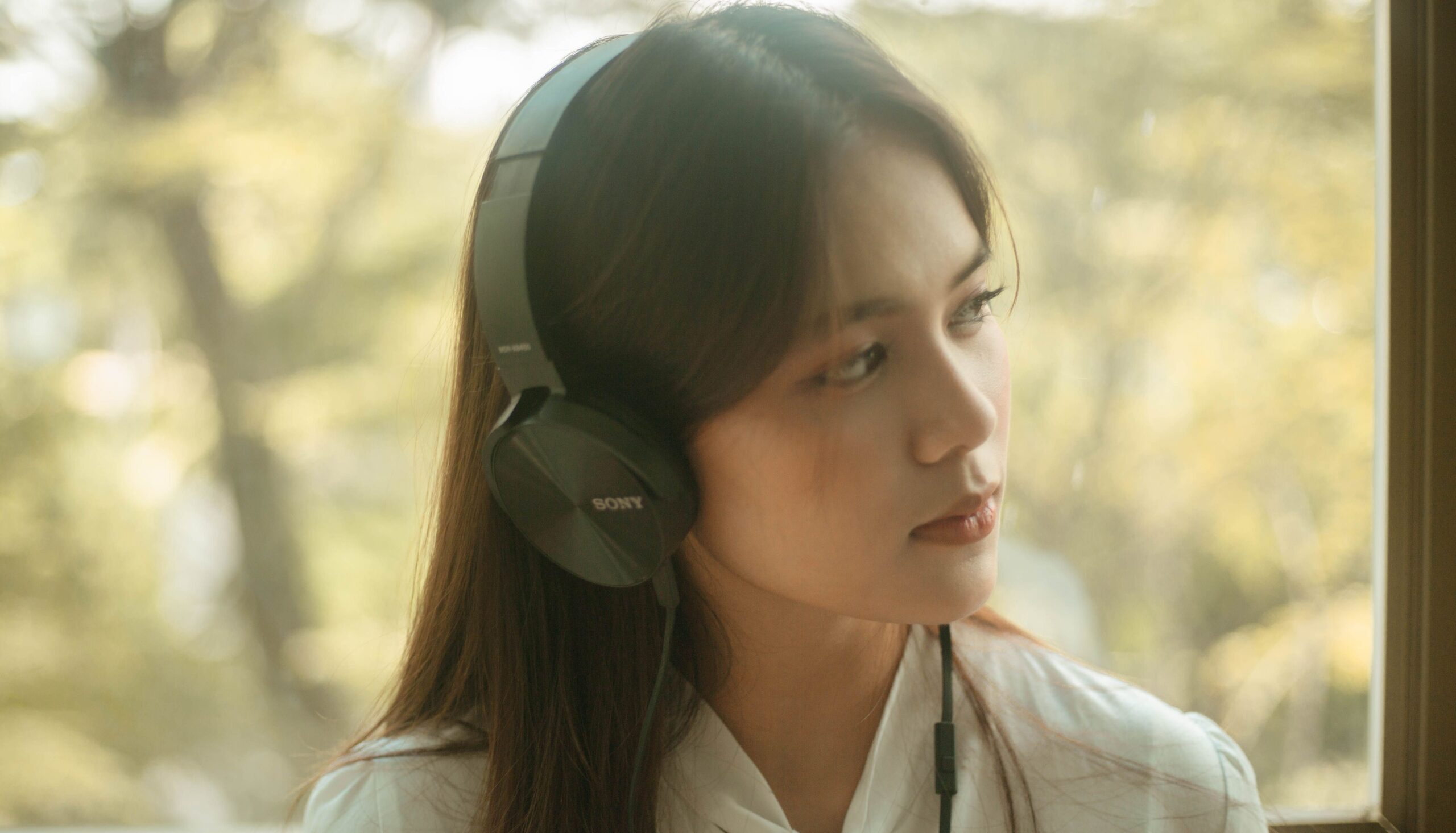
Reviewers consistently point to comfort as a strength, even during extended listening sessions — a meaningful consideration given how long these are likely to stay on your head during a long flight or a full workday. The shallower ear cup design, while contributing to the tighter, more precise sound signature discussed above, is worth being aware of if you have larger ears, since a small number of user reports mention this affecting comfort during very long sessions.
Smarter Adaptive Features
Two new intelligent features round out the software side of this release. The Adaptive NC Optimizer continuously adjusts noise cancellation based on real-world factors most competitors ignore — external noise levels, air pressure changes (genuinely useful during flights specifically), and even how the headphones sit on your head if you’re wearing a hat or glasses. Rather than a one-time calibration, it’s designed to keep monitoring and adjusting throughout your listening session.
Alongside this, Auto Ambient Sound intelligently balances your music against the outside world in real time, using the headphone’s full microphone array to decide what to let through — an important announcement, someone talking to you — versus what to keep filtering out. It’s a smarter evolution of the basic “transparency mode” most noise-cancelling headphones offer, reacting dynamically instead of requiring you to manually toggle a setting.
Design: Foldable, Durable, and Genuinely Comfortable
The WH-1000XM6 uses a foldable design with precision metalwork, paired with a notably compact carrying case that closes with a magnetic clasp — a small detail, but a genuine improvement in daily convenience over case designs that require careful zipping or snapping.
For comfort, Sony redesigned the headband with a wider, asymmetrical shape wrapped in smooth synthetic leather, aimed at reducing pressure points during long wear. A stepless slider and a swivel design let you adjust the fit without the more rigid, notched steps some previous headphone generations relied on — small refinements that add up over a full day of wear.
Battery Life and Charging
Sony rates the WH-1000XM6 for up to 30 hours of battery life, comfortably enough for even the longest international flights without needing a mid-trip top-up. When you do need to recharge, USB-C charging is supported, and a genuinely useful fast-charge feature returns: just 3 minutes plugged into a USB-PD compatible adapter gets you roughly 3 hours of playback — a real lifesaver if you’re rushing to a gate and remember your headphones are nearly dead. Both Bluetooth and wired audio cable connections are supported if you ever need to listen with the battery fully depleted.
Who Should Actually Buy These
Being direct about this, since $299 is a genuine investment in headphones:
This is a great fit if you:
- Fly or travel frequently and want the strongest available noise cancellation to make flights and airports genuinely quieter
- Take frequent calls — for work or personal use — and want noticeably clearer voice pickup than typical wireless headphones offer
- Want a single, versatile pair that handles noise cancellation, music, movies, and calls equally well
- Value long battery life and multipoint device switching for a laptop-and-phone workflow
This might not be the right fit if you:
- You already own the WH-1000XM5 and don’t have a specific pain point (weak calls, insufficient noise cancellation) it’s failing to solve — the upgrade is real, but may not justify replacing a working pair
- You need headphones for intense workouts or heavy sweating — these are designed for comfort and noise cancellation, not sweat or water resistance
- You specifically want a bass-heavy default sound signature without EQ adjustment
WH-1000XM6 vs. WH-1000XM5: Is the Upgrade Worth It?
| Feature | WH-1000XM5 | WH-1000XM6 |
|---|---|---|
| Noise cancellation chip | QN1 | QN3 (7x faster) |
| Microphones | 8 | 12 |
| Call quality | Good | Noticeably improved |
| Bluetooth LE Audio / Auracast | No | Yes |
| Equalizer | Basic | 10-band, more granular |
| Spatial audio | Limited | 360 Reality Audio Upmix for Cinema |
| Gaming EQ | No | Yes |
| Price at launch | ~$599 | ~$299 |
If you’re building out a home studio or streaming setup, audio quality matters just as much as your camera or lighting. We put Shure’s SM7dB — a dynamic microphone with a built-in preamp — through a full review, breaking down whether its $549 price tag is actually justified for podcasters and streamers. Read our full Shure SM7dB review →
The honest takeaway: if your XM5 pair is working fine and you don’t specifically need better call quality or the newer connectivity standards, this isn’t an urgent upgrade. But if you’ve ever been frustrated with call clarity on the XM5, or you want the strongest noise cancellation Sony has ever shipped, the jump is genuinely substantial rather than incremental.
How It Compares to the Competition
Independent comparisons frequently pit the WH-1000XM6 against two other flagship options: the Sennheiser Momentum 5 Wireless, which costs roughly $50 more, and Apple’s AirPods Max 2, which sits about $100 above the Sony’s price point. The general consensus across reviewers is that the WH-1000XM6 holds its own against both, particularly on noise cancellation performance, while typically offering better value than the pricier alternatives for buyers not specifically locked into Apple’s ecosystem.
Frequently Asked Questions
Is the Sony WH-1000XM6 worth upgrading from the WH-1000XM5? If you specifically want improved call quality, faster and more effective noise cancellation, or newer Bluetooth LE Audio/Auracast support, yes. If your XM5 pair works fine for your needs today, the upgrade is meaningful but not urgent.
How good is the noise cancellation on the WH-1000XM6? Independent testing found it reduced perceived ambient noise by roughly 85-90% in a moderately noisy coffee shop environment, with real-world testers reporting flight engine noise reduced to a barely perceptible hum.
Are the Sony WH-1000XM6 good for workouts? No — these are designed primarily for comfort and noise cancellation rather than sweat or water resistance. For workout use, a dedicated sport-focused headphone with an IP rating is a better fit.
How does the WH-1000XM6 compare to Bose’s QuietComfort Ultra? The Sony leans toward a more neutral, balanced sound signature, while Bose’s QuietComfort Ultra defaults to a punchier, more bass-forward sound. Both are strong noise-cancelling options; the choice largely comes down to sound signature preference.
Does the WH-1000XM6 support multiple device connections? Yes — Bluetooth Multipoint allows two devices to stay connected simultaneously, letting you switch seamlessly between, for example, a laptop video call and a phone call.
What’s included in the box? Sony includes everything needed to start listening right out of the box, including the standard cables and a carrying case, consistent with previous generations in the WH-1000X line.
How long does the battery last on the Sony WH-1000XM6? Sony rates the WH-1000XM6 for up to 30 hours of battery life, with a fast-charge feature that provides roughly 3 hours of playback from just 3 minutes of charging via a USB-PD compatible adapter.
What is the Adaptive NC Optimizer? It’s a feature that continuously adjusts noise cancellation performance in real time based on factors like ambient noise, air pressure changes during flights, and even how the headphones fit if you’re wearing glasses or a hat — rather than relying on a single fixed calibration.
Does the Sony WH-1000XM6 fold up for travel? Yes — it uses a foldable hinge design and comes with a compact carrying case that closes with a magnetic clasp, making it easier to pack than some rigid-case competitors.
Final Verdict
The Sony WH-1000XM6 earns its place as one of the most complete flagship headphones available in 2026 — not because of one flashy new feature, but because it improves on the two things that actually matter most for a noise-cancelling headphone: how well it blocks the world out, and how well it lets you communicate when you need to. The faster QN3 processor and additional microphones deliver a genuine, measurable step up in noise cancellation, while the expanded microphone array meaningfully improves call quality in a way frequent callers will actually notice.
At roughly $299, this isn’t an impulse buy, and WH-1000XM5 owners without a specific complaint may reasonably choose to skip this generation. But for anyone shopping fresh, or anyone who’s been waiting for Sony to fix call quality specifically, the WH-1000XM6 is a genuinely well-earned flagship upgrade.
Prices and availability on Amazon change frequently — click through to confirm current pricing before you buy.
